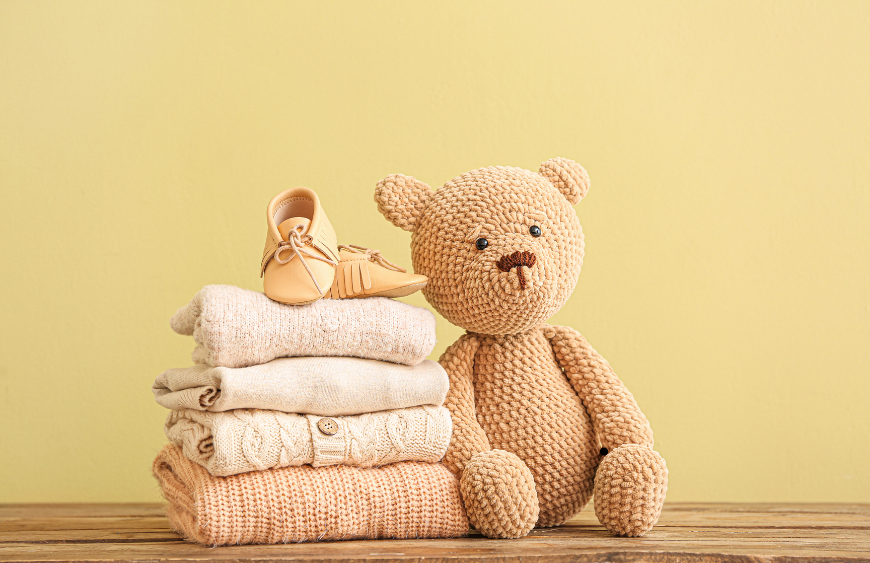
Baby clothes aren’t just tiny garments; they’re keepsakes of early milestones, full of memories of cuddles, laughter, and first adventures. Because they’re in constant contact with your little one’s delicate skin, it’s important to keep them clean, fresh, and soft. Proper washing and care not only protect your baby from irritation but also help your favourite pieces last longer. Here’s a detailed guide on how to wash and maintain baby clothes so they remain as gentle as the day you brought them home.
1. Choose the Right Detergent
Always start with a detergent designed for babies or one that is free from harsh chemicals, dyes, and fragrances. Harsh ingredients can irritate sensitive skin or leave residues that cause discomfort. A mild, hypoallergenic liquid detergent works best because it dissolves easily and rinses out thoroughly. Powder detergents can sometimes leave particles behind, so opt for liquids whenever possible. Even if you use a family detergent, make sure it’s labelled gentle or dermatologically tested.
2. Wash Before First Use
New clothes often look fresh and spotless straight from the store, but they may carry dust, finishing chemicals, or residues from handling and packaging. Always give new garments a gentle wash before your baby wears them for the first time. This ensures that the fibres are free from anything that might cause irritation and makes the fabric softer right from the start.
3. Sort Clothes by Colour and Fabric
Just like with adult laundry, baby clothes benefit from proper sorting. Keep whites, lights, and darks separate to avoid colour transfer. Group similar fabrics together: soft cotton onesies with other cottons, delicate knits with similar textures. Washing like items together protects fragile fibres and prevents rougher materials from damaging softer ones.
4. Pre-Treat Stains Gently
Babies are adorable, but their clothes are magnets for stains—milk spills, formula dribbles, fruit purées, and grass marks from playtime. For best results, treat stains as soon as possible. Use a gentle baby-safe stain remover or a paste made from baking soda and water. Apply softly with your fingertips or a soft cloth and avoid vigorous scrubbing, which can roughen the fabric. Always test stain solutions on a hidden spot before using them on an entire garment.
5. Use the Right Water Temperature
Cool or lukewarm water is usually ideal for baby clothes because it preserves fibres and prevents shrinkage. Hot water may be necessary for heavily soiled nappies, cloth diapers, or items that require sanitising, but reserve it for when truly needed. For everyday wear, cooler washes keep fabrics softer and colours vibrant for longer.
6. Pick a Gentle Wash Cycle
Your washing machine likely has a delicate or gentle cycle. Use it for baby clothes to minimise agitation, which can wear out soft fabrics. A short spin also reduces friction and keeps garments from losing their smoothness. If you have time, consider hand washing particularly delicate pieces such as swaddles or embroidered outfits.
7. Avoid Overloading the Machine
Overstuffing the washing drum causes clothes to rub together harshly, resulting in pilling and roughness. Give each load enough space to move freely in water and detergent. Smaller loads also rinse more effectively, which is essential when you want every trace of soap gone from fabrics that touch sensitive skin.
8. Rinse Thoroughly
Soap residue can make clothes stiff and irritate a baby’s skin. Run an extra rinse cycle after washing to ensure that all detergent is removed. This is especially important if your baby is prone to eczema or allergies. A clear rinse keeps fibres supple and makes garments feel soft and breathable.
9. Skip Fabric Softeners and Harsh Additives
It’s tempting to add fabric softeners or scented boosters, but most aren’t recommended for infant clothes. They can leave a coating that reduces absorbency, traps irritants, and lessens breathability. Stick with gentle detergents and natural methods, such as a splash of white vinegar in the rinse water, which can soften fabrics without harmful chemicals or strong perfumes.
10. Dry with Care
Drying is just as important as washing. Line drying in the shade is one of the best ways to preserve softness and colour. Sunlight has natural antibacterial properties, but too much direct exposure can fade prints or weaken fibres, so choose a spot with mild sunshine or indirect light. If you prefer a dryer, select the lowest heat setting to prevent shrinkage and damage. Remove clothes while they’re slightly damp to prevent over-drying, which can make cotton feel scratchy.
11. Iron Only When Necessary
Most baby clothes don’t need heavy ironing, especially casual pieces like rompers and bodysuits. If you must iron, set the temperature to low or medium and avoid steam for delicate fabrics. Overheating fibres can stiffen them or leave shiny marks. Smooth garments gently by hand while they’re still a little damp if you want a crisp, fresh look without using high heat.
12. Store Clothes Properly
Once clothes are clean and dry, store them in a cool, dry place. Fold items neatly rather than hanging them, especially knitwear, which can stretch on hangers. Use breathable storage bags or cotton liners instead of plastic, which can trap moisture and cause musty smells. If you’re keeping clothes for future siblings or sentimental reasons, ensure they’re completely dry before storing to prevent mildew.
13. Handle Special Pieces with Extra Care
Occasionally, you’ll have special garments like christening outfits, hand-knit sweaters, or keepsake swaddles. Wash these individually with the gentlest soap, preferably by hand in lukewarm water. Dry them flat on a clean towel to maintain their shape. A little extra effort will keep heirloom items beautiful and soft for years to come.
14. Maintain a Regular Laundry Routine
Baby clothes pile up quickly, but frequent washing in small batches is better than letting dirty laundry sit. Prolonged contact with moisture or stains can cause odours or permanent marks. A consistent routine also ensures your baby always has fresh, soft clothes ready for the next adventure.
15. Be Mindful of Fasteners and Embellishments
Check buttons, snaps, zippers, and ties before washing. Close zippers and secure snaps to prevent them from catching on other clothes or tearing delicate fabrics. For items with lace, ribbons, or embroidery, place them in a mesh laundry bag to keep them safe inside the machine.
16. Keep Your Washing Machine Clean
A clean washer leads to cleaner clothes. Run an empty hot wash with a little white vinegar or a washing machine cleaner every few weeks to remove detergent build-up and bacteria. This prevents residues from transferring to baby clothes and keeps fabrics smelling fresh.
17. Choose Quality Fabrics from the Start
Finally, remember that softness begins with fabric choice. Clothes made from pure cotton or other natural fibres stay gentle for much longer than blends full of synthetics. When you invest in well-made garments, they endure washing without losing their cosy touch, making laundry care simpler and results more satisfying.
Conclusion
Caring for baby clothes isn’t just about keeping them neat; it’s about protecting the comfort and safety of your little one. With the right washing techniques, you can keep every romper, pyjama, and swaddle feeling silky-soft against delicate skin. Choose gentle detergents, avoid harsh chemicals, and pay attention to water temperature, drying methods, and storage. Each step makes a difference in preserving the natural softness of fabrics. At Lil Kotonz, we believe that clothes for babies should always be as comforting as a parent’s embrace, which is why our collections are made with pure cotton and crafted to last through countless washes while staying beautifully soft for your precious child